Why Flexible Workspaces Matter for Modern Work

Remote professionals in Amarillo often juggle daily tasks from home, coffee shops, or borrowed desks, struggling with distractions and limited options. The shift toward flexible workspaces is much more than a trend—it reflects how modern professionals actually work. Flexible environments support focus, reliability, and adaptability without the burden of long-term office leases. This article explains what flexible workspaces really are, addresses common misconceptions, and outlines practical advantages for Amarillo freelancers and remote professionals.
Key Takeaways
| Point | Details |
|---|---|
| Flexible Workspaces Enhance Productivity | Professionals gain control over how and where they work, reducing distractions and improving focus. |
| Diverse Workspace Solutions Available | Open work areas, dedicated desks, and private offices support different work styles and needs. |
| Cost Predictability Matters | Flexible workspaces bundle essential services, avoiding many hidden costs of traditional leases. |
| Designed for Real Work | Thoughtful layouts and reliable infrastructure support consistent, professional workdays. |
Defining Flexible Workspaces and Common Myths
Flexible workspaces are a practical response to how work has changed. Unlike traditional offices with long leases and fixed layouts, flexible workspaces allow professionals to choose environments that match their daily needs—from quiet focus to occasional collaboration.
At a basic level, a flexible workspace provides access to professional office infrastructure without requiring long-term commitments. Industry operators note that flexible work models prioritize autonomy and output rather than rigid schedules or assigned offices, a shift widely discussed across coworking and workplace strategy publications.
Despite their growth, flexible workspaces are often misunderstood. Common myths include:
Myth: Flexible workspaces reduce productivity
Reality: Many professionals report improved focus compared to working from home or public spaces.Myth: Flexible work only works for certain industries
Reality: Freelancers, consultants, remote employees, and small teams across many fields use flexible workspaces effectively.Myth: Flexible offices are temporary solutions
Reality: Workspace operators consistently report long-term demand driven by changing work patterns.
The goal of flexibility is not a lack of structure. Instead, it provides reliable infrastructure—quiet work areas, dependable internet, and meeting space—while allowing professionals to choose how they use it.
In Amarillo, Union Hall reflects this approach by offering multiple workspace configurations that support different working styles without requiring long-term leases.
Pro tip: When evaluating flexible workspace options, look for reliability first—consistent access, dependable WiFi, and spaces that match how you actually work.
Types of Flexible Workspace Solutions Available
Flexible workspace options go well beyond a single shared room. Most professional coworking environments offer several configurations designed for different needs.
Common flexible workspace solutions include:
- Open Workspaces: Shared areas suited for independent work in a professional setting
- Dedicated Desks: Assigned workstations for consistency and storage
- Private Offices: Enclosed spaces for focused work or small teams
- Hot Desking: Unassigned seating used as needed
- Virtual Office Services: Business address and mail handling without daily physical use
Each option serves a specific purpose. Open workspaces provide flexibility and affordability, while dedicated desks and private offices offer more stability and privacy.
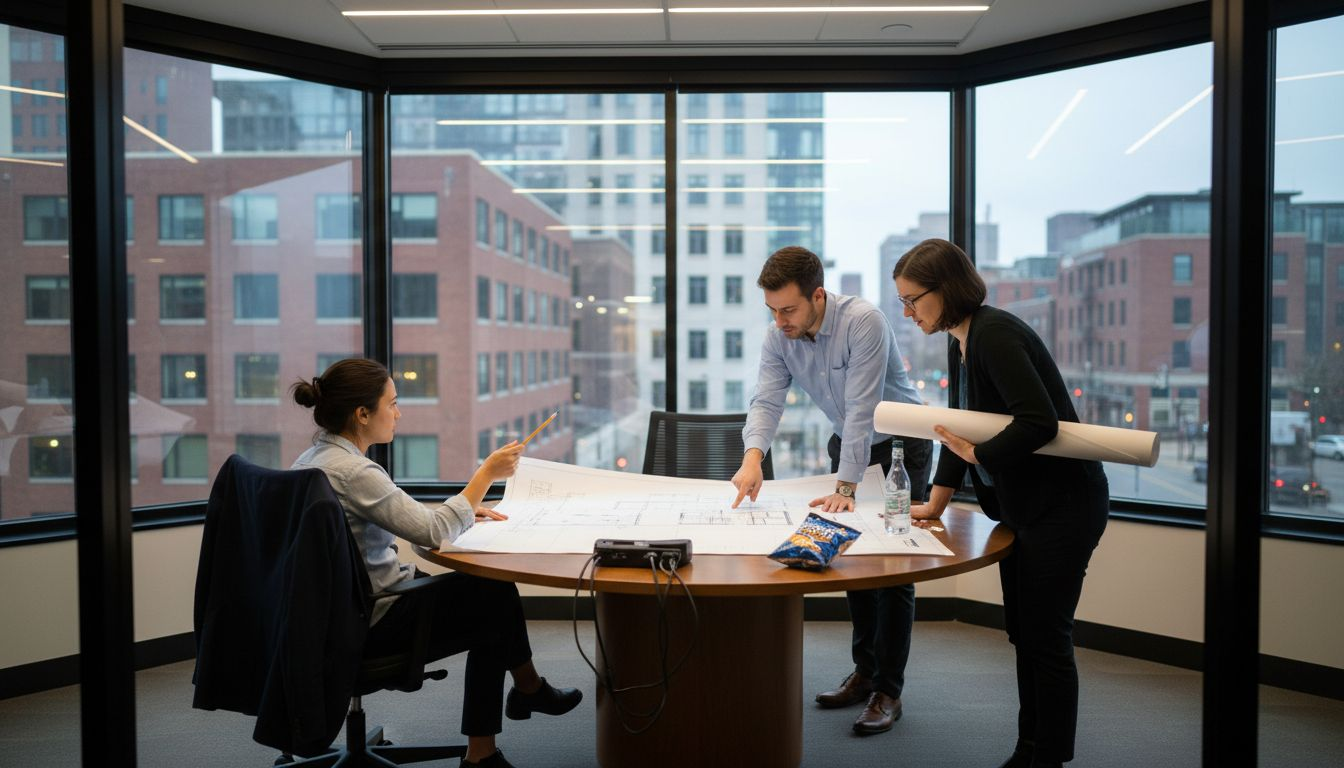
A simple comparison of common workspace types:
| Workspace Type | Privacy Level | Cost Predictability | Best Use Case |
|---|---|---|---|
| Open Workspace | Low | High | Independent daily work |
| Dedicated Desk | Medium | High | Consistent routines |
| Private Office | High | High | Focused or team work |
| Hot Desking | Variable | High | Occasional use |
| Virtual Services | Remote | Very High | Business presence |
Union Hall in Amarillo offers these options so professionals can choose what fits their workday rather than forcing work into a single setup.
Pro tip: Choose a workspace based on how often you need privacy and how predictable your schedule is.
Key Features Driving Productivity and Growth
A flexible workspace is only valuable if it supports real work. The most effective spaces focus on fundamentals rather than trends.
Key productivity-supporting features include:
- Reliable Internet: Consistent, enterprise-grade WiFi
- 24/7 Access: Work on your schedule, not building hours
- Adaptable Layouts: Spaces that work for focus or meetings
- Included Amenities: Printing, meeting rooms, and utilities bundled
- Reduced Distractions: A professional environment separate from home
Business publications consistently highlight that productivity improves when professionals remove friction—unreliable internet, lack of meeting space, or constant interruptions.
Union Hall’s workspace model in Amarillo is built around these practical needs, offering dependable infrastructure so members can focus on work rather than logistics.
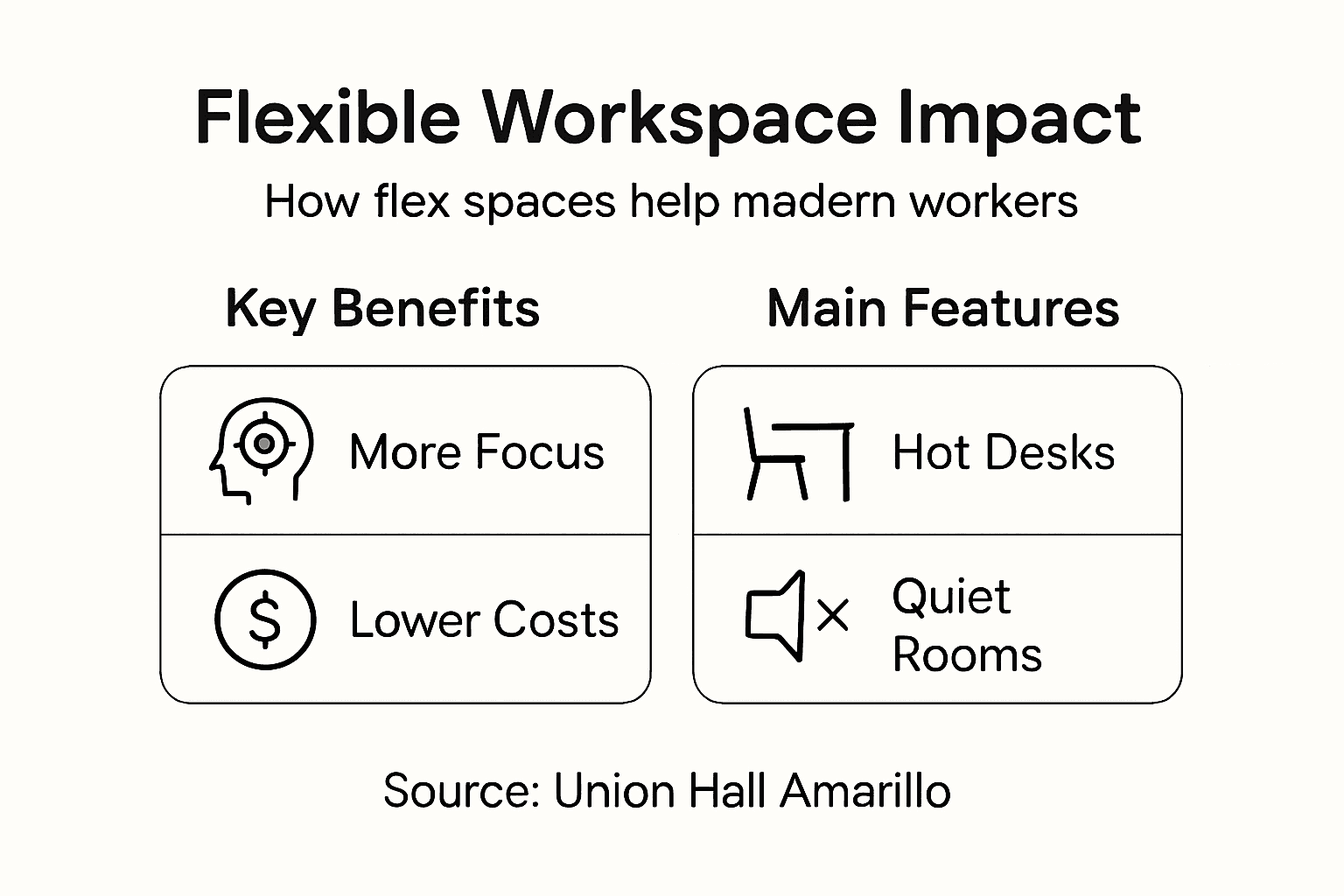
| Feature | Practical Benefit |
|---|---|
| Adaptable spaces | Supports changing work demands |
| Included amenities | Predictable monthly costs |
| Reliable technology | Fewer disruptions |
| Autonomy | Better daily focus |
Pro tip: If your current setup creates daily friction, it may be time to rethink where you work.
Cost Comparison: Flexible vs. Traditional Office Leases
Traditional office leases often involve long commitments, upfront costs, and separate bills for utilities, maintenance, and furniture. These expenses can add up quickly, especially for solo professionals or small teams.
Flexible workspaces operate differently:
- No long-term lease commitments
- Bundled services and amenities
- Predictable monthly pricing
- Scalable space as needs change
Commercial real estate experts frequently note that traditional leases hide costs that only appear after move-in. Flexible workspaces simplify this by combining essentials into one agreement.
For Amarillo professionals, this means access to professional space without tying up capital or committing to years-long leases.
Pro tip: Compare total monthly costs—not just rent—when evaluating workspace options.
How Flexible Workspaces Support Professional Focus
Modern work does not always require constant collaboration, but it does require reliable places to think, meet, and deliver work.
Flexible workspaces support this by offering:
- Quiet areas for focused work
- Meeting rooms for client conversations
- Professional settings that separate work from home distractions
Rather than relying on chance interactions, these environments are designed to support intentional, productive workdays.
Union Hall’s layout prioritizes usability—spaces that work whether you need a few focused hours or a reliable place to meet clients.
Pro tip: Use different areas of a workspace throughout the day to stay productive without changing locations.
Experience Flexible Work at Union Hall in Amarillo
Many professionals struggle with unreliable home setups, noisy public spaces, or the cost of traditional offices. Flexible workspaces address these challenges by offering professional environments without long-term commitments.
Union Hall provides open workspaces, dedicated desks, private offices, and meeting rooms with 24/7 access, enterprise-grade WiFi, unlimited printing, and all-inclusive pricing. The focus is simple: remove workspace friction so you can work consistently and professionally in Amarillo.
Ready for a Better Way to Work?
Schedule a tour to see Union Hall Workspace in person and explore membership options that fit how you work.
Ready to work somewhere better than home? Compare our coworking memberships.
Frequently Asked Questions
What are flexible workspaces?
Flexible workspaces are professional office environments that allow individuals and teams to choose how and when they use space, without long-term leases.
How do flexible workspaces enhance productivity?
They reduce distractions, provide reliable infrastructure, and give professionals control over their work environment.
What types of flexible workspace solutions are available?
Common options include open workspaces, dedicated desks, private offices, hot desking, and virtual office services.
Are flexible workspaces suitable for all industries?
Flexible workspaces support a wide range of professions, particularly freelancers, remote workers, and small teams.
Recommended
- Collaborative Workspace: Boosting Team Productivity — Union Hall Workspace
- Working From Home vs Office Productivity: What Works Best — Union Hall Workspace
- Office Leasing Choices: Coworking vs. Traditional Leases — Union Hall Workspace
- Coworking Explained: Flexible Workspace for Amarillo — Union Hall Workspace
Work from Union Hall Workspace in Amarillo
Coworking from $99/mo, dedicated desks $200/mo, and private offices from $400/mo. 24/7 access, month-to-month, no lease. See it in person with a free tour, or join online today.
Join or Book a Tour Compare Memberships